
 0
0




Leave a Reply
You must be logged in to post a comment.

TOS treatment options encompass exercise, medication, nerve blocks, and surgery, tailored to symptom severity and patient preference, as detailed in available PDF resources.
PDF guides emphasize restoring thoracic spine and shoulder mobility through targeted exercises, crucial for managing this complex condition effectively.
Programs, like those from Pure Physiotherapy, suggest daily execution, starting slowly and monitoring pain levels (under 5/10) during exercise routines.
Thoracic Outlet Syndrome (TOS) isn’t a single condition, but rather a group of disorders affecting the space between your collarbone and your first rib. This space, the thoracic outlet, houses nerves and blood vessels traveling to the arm. Compression within this area leads to a variety of symptoms.
PDF resources on TOS frequently highlight that symptoms can range from pain, numbness, and tingling in the arm and hand, to weakness and discoloration. The cause of compression varies, but often involves anatomical abnormalities, poor posture, or repetitive movements.
Exercise programs, often detailed in downloadable PDFs like those offered by Medbridge, aim to alleviate these symptoms by addressing the underlying biomechanical issues. These programs focus on restoring proper movement patterns and reducing pressure on the affected nerves and vessels. Early intervention, guided by a physical therapist, is often recommended.
Understanding the specific type of TOS – neurogenic, venous, or arterial – is crucial for tailoring an effective exercise plan, as outlined in various treatment protocols.
Thoracic Outlet Syndrome (TOS) is categorized into three primary types, each requiring a slightly different approach to exercise therapy, often detailed in comprehensive PDF guides. Neurogenic TOS, the most common, involves compression of the brachial plexus nerves, causing pain, numbness, and weakness.
Venous TOS results from compression of the subclavian vein, leading to swelling, discoloration, and potentially a blood clot. Arterial TOS, the least common but most severe, involves compression of the subclavian artery, potentially causing limb ischemia.
PDF resources, such as those found through Medbridge, emphasize that exercise programs for neurogenic TOS focus on nerve gliding and postural correction. Venous and arterial TOS often require more conservative approaches, potentially including physical therapy before considering more invasive interventions.
Treatment recommendations, as illustrated in ScienceDirect infographics, adapt exercises based on the specific type of compression identified during diagnosis.
Thoracic Outlet Syndrome (TOS) arises from compression of nerves and/or blood vessels in the space between your collarbone and first rib. Several factors contribute to this compression, often addressed through targeted exercises detailed in PDF rehabilitation programs;
Poor posture, particularly rounded shoulders and a forward head position, is a significant risk factor, as highlighted in exercise guides. Anatomical abnormalities, such as a cervical rib, can also narrow the space. Repetitive movements, common in overhead athletes, increase the risk.
Trauma, like a whiplash injury, can initiate TOS symptoms. PDF resources from Therapy Department emphasize postural awareness during activity. Understanding these causes informs the selection of appropriate exercises, focusing on restoring optimal biomechanics and relieving pressure.
Exercise programs aim to correct contributing factors and prevent recurrence, as outlined in Medbridge materials.
TOS diagnosis involves physical exams and potentially imaging/nerve studies; PDF exercise programs are often implemented after a confirmed diagnosis by a healthcare professional.
Physical examinations for TOS are crucial before initiating any exercise program, even those found in PDF guides. These assessments aim to identify compression of nerves and blood vessels in the thoracic outlet. Common techniques include the Adson’s maneuver, Wright’s test, and Roos test, designed to provoke symptoms.
These maneuvers assess how posture and specific arm positions impact neurovascular structures. A therapist will evaluate your range of motion, palpate for muscle tenderness, and assess your posture. The goal is to pinpoint the source of compression – whether it’s muscular, skeletal, or a combination.
Importantly, a positive test result doesn’t automatically confirm TOS; it indicates a potential issue requiring further investigation. PDF exercise programs should only be undertaken under the guidance of a professional following a thorough physical examination.
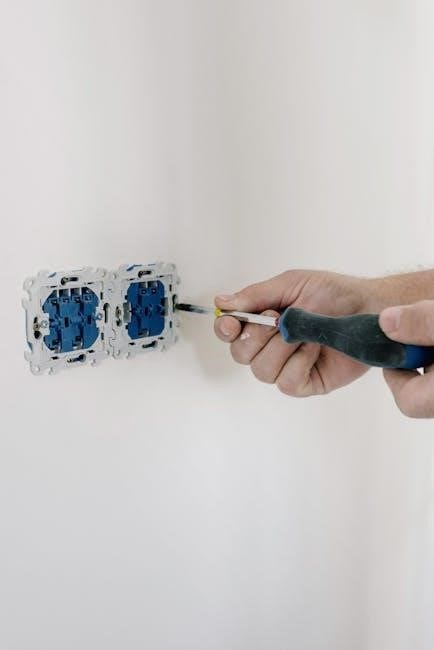
While PDF guides offer TOS exercises, imaging and nerve conduction studies are vital for accurate diagnosis, informing exercise program design. X-rays can reveal bony abnormalities, while MRI or CT scans visualize soft tissues, identifying structural causes of compression.
Nerve conduction studies (NCS) and electromyography (EMG) assess nerve function, detecting nerve damage or compression. These tests help differentiate TOS from other conditions with similar symptoms. However, NCS/EMG can sometimes be normal in TOS, particularly neurogenic forms.
Therefore, clinical evaluation remains paramount. Imaging confirms anatomical issues, while NCS/EMG supports neurological involvement. A comprehensive assessment, beyond simply following a PDF, ensures exercises are appropriate and won’t exacerbate the condition.

PDF resources highlight posture correction and pain management as key to TOS exercise, emphasizing gradual progression and monitoring pain levels (below 5/10).
Posture plays a critical role in managing Thoracic Outlet Syndrome (TOS), and PDF exercise guides consistently emphasize its importance. Poor posture often contributes to the compression of nerves and blood vessels in the thoracic outlet. Correcting forward head posture and rounded shoulders is frequently the initial focus of any exercise program.
Many PDF resources, like those detailing rehabilitation for overhead athletes, advocate for exercises that actively restore proper alignment. This includes strengthening muscles that support good posture – specifically the rhomboids, lower trapezius, and serratus anterior. Maintaining mindful posture throughout daily activities, not just during exercise, is also stressed.
TOS exercise programs often begin with postural awareness drills, progressing to exercises that reinforce correct alignment. Ignoring posture can render other exercises less effective and potentially exacerbate symptoms.
PDF exercise programs for Thoracic Outlet Syndrome (TOS) universally address pain management. A key principle is to avoid exacerbating symptoms; pain should generally not exceed 5/10 during exercise, as highlighted by Pure Physiotherapy resources. Starting slowly and gradually increasing repetitions is crucial.
Many PDF guides recommend modifying exercises if they provoke pain. This might involve reducing the range of motion, decreasing the number of repetitions, or temporarily stopping the exercise altogether. It’s vital to differentiate between discomfort from muscle activation and pain stemming from nerve or vascular compression.
PDF materials often suggest incorporating gentle stretches and range-of-motion exercises to prepare the tissues before more strenuous activity. If pain persists or worsens, seeking guidance from a physical therapist is strongly advised.
PDF resources consistently recommend a consistent exercise schedule for Thoracic Outlet Syndrome (TOS). Pure Physiotherapy advises performing a program a minimum of once daily, unless otherwise instructed by a healthcare professional. Consistency is key to improving mobility and strength.
Progression should be gradual. Begin with a lower number of repetitions and a smaller range of motion, increasing these incrementally as tolerated. PDF guides emphasize listening to your body and avoiding overexertion. The kiio FLEX program suggests a structured approach with specific repetition schedules.
Monitoring symptom response is crucial. If pain increases, regress to a previous, more comfortable level. As mobility improves, exercises can be advanced, incorporating resistance or more complex movements, as detailed in downloadable PDF exercise plans.
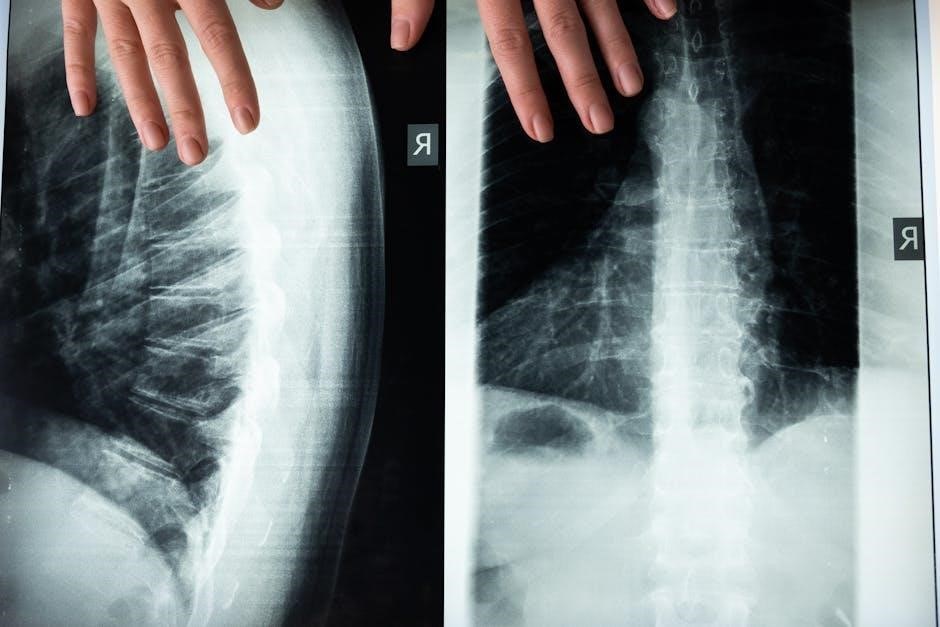
PDF guides prioritize restoring thoracic spine flexion and extension, alongside stretches targeting scalene and pectoral muscles to alleviate TOS symptoms.
These mobility exercises, often detailed in downloadable PDFs, aim to reduce compression within the thoracic outlet.
Thoracic spine flexion exercises are foundational in TOS rehabilitation, frequently detailed within PDF exercise programs like those offered by Medbridge and Pure Physiotherapy. These exercises aim to improve the range of motion in the mid-back, counteracting the often-observed postural distortions associated with the syndrome.
Commonly recommended exercises include seated thoracic flexion with arms reaching forward, and cat-cow stretches. PDF resources often illustrate proper form, emphasizing controlled movements and avoiding overextension. The goal is to gently mobilize the thoracic spine, creating more space within the thoracic outlet and reducing nerve compression.
Early emphasis on restoring active thoracic spine flexion, as highlighted in ScienceDirect articles, is crucial. Begin with a limited range of motion, gradually increasing as tolerated, and always monitoring for pain exacerbation. Remember to adhere to the pain level guidelines (under 5/10) outlined in many TOS exercise PDFs.
Thoracic spine extension exercises complement flexion movements in TOS rehabilitation, often detailed within comprehensive PDF guides. These exercises counteract the forward-rounded shoulder posture frequently seen in individuals with TOS, as addressed in resources like those from Medbridge.
Exercises typically include prone thoracic extensions (lifting the chest off the floor while maintaining a neutral spine) and foam roller extensions. PDF materials emphasize controlled movements and proper breathing techniques. The aim is to improve spinal mobility and counteract the compressive forces within the thoracic outlet.
As noted in ScienceDirect publications, motor control of the thoracic spine is vital. Start with a small range of motion, gradually increasing as tolerated, and always respecting pain boundaries (below 5/10, as per Pure Physiotherapy guidelines). Consistent practice, guided by PDF instructions, is key to restoring optimal spinal function.
Scalene muscle stretches are a cornerstone of TOS exercise programs, frequently illustrated in downloadable PDF resources. These stretches aim to alleviate compression of the brachial plexus and subclavian artery, often constricted by tight scalene muscles. PDF guides typically demonstrate stretches performed by gently tilting the head away from the side being stretched, while simultaneously depressing the shoulder.
Variations include assisted stretches using a strap or towel for increased leverage. Resources emphasize maintaining a relaxed neck and avoiding overstretching, adhering to the pain level guidelines (under 5/10) recommended by Pure Physiotherapy.
Proper form, as detailed in Medbridge materials, is crucial to target the scalenes effectively and prevent compensatory movements. Consistent stretching, guided by PDF instructions, contributes to improved neurovascular space within the thoracic outlet.
Pectoral muscle stretches are frequently included in TOS exercise PDFs, addressing the common postural component of the syndrome – rounded shoulders. Tight pectoral muscles contribute to decreased space in the thoracic outlet, exacerbating symptoms. Common stretches detailed in these resources involve placing the forearm against a wall or doorframe and gently leaning forward.
Variations, like the corner stretch, further target the pectoral muscles. PDF guides from sources like Pure Physiotherapy emphasize controlled movements and avoiding overstretching, maintaining pain within acceptable limits.
These stretches aim to improve posture, opening the chest and creating more room for the neurovascular bundle. Consistent implementation, guided by visual aids in PDFs, is key to long-term relief and improved function.

PDF resources highlight strengthening scapular stabilizers, rhomboids, lower trapezius, and serratus anterior muscles to improve posture and support the shoulder girdle.
Scapular stabilization exercises are foundational in TOS rehabilitation, frequently detailed within PDF exercise programs. These exercises aim to enhance control and endurance of the muscles responsible for scapular movement, correcting imbalances often contributing to the compression of nerves and blood vessels in the thoracic outlet.
PDF guides often include exercises like scapular retractions (squeezing shoulder blades together), protractions (rounding the upper back), upward and downward rotations, and depressions. Performing these movements slowly and with controlled form is crucial.
Progressive resistance, using resistance bands or light weights, is recommended as strength improves. The goal is to maintain proper scapular positioning during functional activities, reducing strain on the thoracic outlet. Medbridge and Pure Physiotherapy resources likely contain detailed protocols and progressions for these vital exercises.
Rhomboid strengthening is a key component of TOS exercise programs, frequently outlined in downloadable PDF resources. These muscles, located between the shoulder blades, are crucial for retracting and stabilizing the scapula, counteracting the rounded shoulder posture often seen in individuals with TOS.

PDF guides typically feature exercises like seated rows with resistance bands, focusing on squeezing the shoulder blades together. Prone rhomboid rows, lifting the arms while maintaining scapular retraction, are also common. Maintaining proper form – a neutral spine and controlled movement – is paramount.
Progressive overload, gradually increasing resistance, is essential for continued improvement. Strengthening the rhomboids helps restore optimal shoulder mechanics and alleviate pressure on the thoracic outlet. Resources from Medbridge and similar platforms likely offer detailed instructions and progressions.
Lower trapezius strengthening is frequently detailed in thoracic outlet exercises PDF guides, vital for addressing postural imbalances common in TOS. These exercises aim to counteract the upward rotation of the scapula, promoting proper shoulder positioning and reducing compression within the thoracic outlet.
PDF resources often include prone “T” raises, where the individual lifts arms straight out to the sides while lying face down, focusing on squeezing the lower trapezius. Prone “Y” raises, lifting arms at a 45-degree angle, are also common.
Emphasis is placed on controlled movements and avoiding shrugging the shoulders. Strengthening the lower trapezius supports scapular depression and upward rotation, improving shoulder mechanics and alleviating symptoms. Programs like those from Pure Physiotherapy likely incorporate these exercises.
Serratus anterior strengthening is a key component highlighted in many thoracic outlet exercises PDF materials, crucial for optimal scapular movement and shoulder function. This muscle protracts the scapula, preventing winging and contributing to a stable base for arm movements, reducing strain in the thoracic outlet.
PDF guides frequently feature exercises like scapular push-ups – performed on hands and knees, focusing on rounding the upper back without bending the elbows. Wall slides with protraction, pushing arms against a wall while maintaining scapular protraction, are also common.
Proper form is emphasized; focus on engaging the serratus anterior to “wrap” the ribcage. Strengthening this muscle improves posture and shoulder mechanics, alleviating TOS symptoms, as seen in rehabilitation programs for overhead athletes.
PDF resources detail advanced moves like wall slides with rotation, doorway stretches with squeezes, and chin tucks, building on foundational TOS exercises.
These progressions demand controlled movements and proper form, enhancing stability and addressing complex biomechanical imbalances.
Wall slides with external rotation are a progressive exercise often detailed in TOS exercise PDF guides, aiming to improve scapular control and thoracic mobility. Begin by standing with your back flat against a wall, feet slightly away from the base.
Maintain contact between your head, upper back, and sacrum throughout the movement. Bend your elbows to 90 degrees, placing your forearms against the wall. Slowly slide your arms up the wall, maintaining contact, while simultaneously rotating your forearms outwards.
Focus on squeezing your shoulder blades together as you slide upwards. This engages the rhomboids and lower trapezius. Control the descent, avoiding arching your back. Repeat for the prescribed number of repetitions, as indicated in your personalized program or the PDF resource.
Pay attention to pain levels, ensuring they remain within a tolerable range (ideally under 5/10).
Doorway chest stretches with scapular squeezes, frequently found in TOS exercise PDFs, address pectoral tightness and promote improved posture. Stand in a doorway, placing your forearms on the doorframe at shoulder height, elbows bent at 90 degrees.
Gently lean forward until you feel a stretch in your chest and anterior shoulders. Simultaneously, actively squeeze your shoulder blades together, enhancing the stretch and engaging the rhomboids and trapezius muscles.
Hold this position for 20-30 seconds, focusing on deep, controlled breathing. Avoid overstretching or forcing the movement.
Repeat several times, as outlined in your specific exercise program or the PDF resource. This exercise helps counteract the rounded shoulder posture often associated with TOS, improving space within the thoracic outlet. Monitor pain levels, keeping them below 5/10.
Chin tucks, a common exercise detailed in thoracic outlet syndrome (TOS) PDF guides, target deep cervical flexor strengthening and correct forward head posture. Begin by sitting or standing with good posture, looking straight ahead.
Gently draw your chin back towards your neck, creating a “double chin” appearance, without tilting your head up or down. Imagine sliding your head back along a track. Hold this contraction for 5-10 seconds, focusing on engaging the deep neck muscles.
Release slowly and repeat 10-15 times. This exercise helps restore the natural cervical curve, reducing pressure on nerves and blood vessels in the thoracic outlet.
Ensure the movement is controlled and pain-free, adhering to the guidelines provided in your PDF resource. Avoid excessive force, and monitor pain levels, keeping them below 5/10.

PDF resources offer tailored TOS exercise programs; adapt them to individual needs, prioritizing proper form and pain management, as recommended by therapists.
Locating trustworthy PDF resources for thoracic outlet syndrome (TOS) exercises requires careful consideration. Medbridge offers a free Physical Therapy Exercises for Thoracic Outlet Syndrome PDF, providing a starting point for symptom alleviation and functional restoration. However, always verify the source’s credibility.
Look for PDFs created by qualified physical therapists or reputable physiotherapy clinics like Pure Physiotherapy, which detail progressive exercise programs. Ensure the PDF emphasizes proper form, pain monitoring (keeping it under 5/10), and gradual progression. Resources detailing biomechanical considerations, like those found in academic papers, can offer deeper understanding.
Be cautious of generic exercise PDFs lacking specific TOS guidance. Prioritize resources that address postural correction, scapular stabilization, and targeted muscle strengthening, mirroring treatment recommendations outlined in research and clinical practice.
Thoracic outlet syndrome (TOS) presents uniquely in each patient, necessitating exercise adaptation. While PDF guides offer structured programs, individual symptom severity and anatomical variations demand personalization. Begin slowly, adhering to the “start as able” principle highlighted by Pure Physiotherapy.
Modify repetitions and sets based on pain levels, ensuring discomfort remains below 5/10. If an exercise exacerbates symptoms, substitute it with an alternative targeting the same muscle group. Prioritize restoring thoracic spine flexion, as emphasized in rehabilitation protocols for overhead athletes.
Consider pre-existing conditions and limitations. A physical therapist can tailor a program, ensuring exercises are safe and effective. Remember, consistent, modified exercise is more beneficial than aggressive, poorly adapted routines.

PDF resources suggest a physical therapist’s role is vital for personalized plans; stop exercising and seek help if pain increases or new symptoms arise.
Physical therapists are crucial in navigating thoracic outlet syndrome (TOS) treatment, especially when utilizing exercise programs found in PDF formats. They provide individualized assessments to pinpoint specific biomechanical impairments contributing to your symptoms. A therapist doesn’t just hand you exercises; they tailor a program based on your unique presentation, ensuring proper form and progression.
They can interpret findings from imaging and nerve conduction studies, integrating this information into your rehabilitation plan. PDF guides offer general exercises, but a therapist adapts these to your tolerance and goals; They monitor your response to treatment, adjusting the program as needed to maximize effectiveness and prevent aggravation.
Furthermore, a physical therapist educates you on posture correction, activity modification, and self-management strategies, empowering you to take an active role in your recovery. They are essential for safely progressing through exercises and recognizing when to modify or stop, ensuring optimal outcomes.
While thoracic outlet syndrome (TOS) exercise PDF guides offer valuable routines, recognizing warning signs is paramount. Immediately cease exercises if you experience increased neurological symptoms – such as numbness, tingling, or weakness – in your arm or hand. Sharp, radiating pain that doesn’t subside with rest is another critical indicator to stop.
Pay attention to changes in skin color or temperature; paleness or coolness could signal compromised circulation. If pain exceeds a 5/10 level, as suggested by Pure Physiotherapy guidelines, modify or halt the exercise. Dizziness, lightheadedness, or any feeling of instability warrants immediate cessation.
Don’t push through significant discomfort; Remember, these PDFs are general recommendations; your body’s response is unique. Consult a physical therapist if red flags arise, ensuring safe and effective rehabilitation.
You must be logged in to post a comment.