
 0
0




Leave a Reply
You must be logged in to post a comment.
Cataclysm: Dark Days Ahead presents a challenging survival experience, demanding mastery of resourcefulness, including cooking. This guide explores granular cooking, offering flexible calorie gains and morale boosts.
Utilizing available ingredients, players can create generic dishes, though pre-cataclysm recipes yield greater happiness. Cooking is essential for long-term survival in this harsh world.
In the grim reality of Cataclysm: Dark Days Ahead, sustenance isn’t merely about calorie intake; it’s about survival and maintaining morale amidst overwhelming despair. Raw food offers limited nutritional value and carries risks of illness, making cooking paramount.
Processed meals provide significant calorie gains, crucial for enduring harsh conditions and strenuous activities. Furthermore, a warm meal dramatically impacts character morale, staving off the psychological toll of the apocalypse. Cooking allows for flexible bulk crafting, maximizing efficiency with scavenged ingredients, a necessity when resources are scarce.
Cataclysm: DDA distinguishes between two cooking approaches: granular and crafted recipes. Granular cooking focuses on the method and ingredients, allowing creation of generic dishes based on combinations. This system offers flexibility, utilizing whatever is available, though happiness gains are typically lower than established recipes.
Crafted recipes, conversely, demand precise ingredient lists; While yielding superior morale boosts, they are limited by availability. The granular system provides a vital fallback, enabling calorie acquisition even when specific recipe components are missing, crucial for long-term survival.

Fundamental techniques like boiling are crucial for survival in Cataclysm: DDA. Mastering these methods unlocks access to essential nourishment and improved morale for your survivor.
Boiling stands as a cornerstone of early-game cooking in Cataclysm: DDA, requiring minimal tools and offering significant benefits. It’s the most accessible method for rendering foraged ingredients edible and safe.
Specifically, boiling salt water is vital for basic seasoning, enhancing both the palatability and morale impact of your meals. The process, taking approximately 90 seconds, utilizes a water boiling heat source.
This simple technique unlocks the creation of generic dishes, providing crucial calorie intake and a slight morale boost, especially when pre-cataclysm recipes are unavailable.
Boiling salt water is a foundational step in improving food quality within Cataclysm: DDA. Combining 10 units of salt water yields 50 units of saline, a crucial seasoning agent. This process, categorized under CC_FOOD and CSC_FOOD_OTHER, requires a boil quality level 1 heat source.
The 90-second boiling duration, utilizing a water boiling heat source, significantly enhances the morale impact of cooked dishes. While granular cooking offers flexibility, saline improves the taste and psychological benefits of sustenance.
Effective cooking in Cataclysm: DDA hinges on utilizing diverse heat sources. From campfires to stoves, each offers varying levels of control and efficiency. The boil quality, level 1, is fundamental for processes like saline extraction from salt water, requiring specific tools.
Understanding heat source compatibility is vital; some recipes demand direct flame, while others benefit from sustained, lower temperatures. Mastering heat management maximizes calorie gains and minimizes wasted resources, crucial for long-term survival.
Water boiling heat is a cornerstone of early-game cooking in Cataclysm: DDA. It’s essential for purifying water, a primary survival need, and forms the basis for numerous recipes. Specifically, the process of creating salt from salt water requires 90 seconds of boiling.
This method, utilizing a tool designated as 3, LIST, is foundational for seasoning and preserving food. Mastering water boiling maximizes efficiency, providing a reliable method for calorie intake and morale boosts in a post-apocalyptic setting.

Survival hinges on acquiring ingredients through foraging for plants and scavenging animal products. Proper preparation and preservation are crucial for long-term food security in C:DDA.
Successfully foraging requires knowledge and caution. Identifying edible plants is paramount, as consuming poisonous flora can be fatal. Explore diverse environments – forests, fields, and even urban areas – for potential food sources.
Pay attention to plant characteristics and utilize in-game descriptions to avoid mistakes. Some plants offer direct consumption, while others require cooking to neutralize toxins or improve digestibility. Remember that seasonal availability impacts foraging success, demanding adaptability and planning for lean times. Prioritize learning plant identification skills for sustainable sustenance.
Securing animal products is crucial for a protein-rich diet. Scavenging involves locating and harvesting meat from deceased animals, often encountered during exploration or after combat. Be mindful of spoilage; refrigeration or preservation techniques are vital.
Different animals yield varying amounts of meat and fat, impacting nutritional value. Butchering skills enhance yield and efficiency. Beware of potential contamination from zombies or diseases. Supplement foraging with scavenging to diversify your food supply and ensure adequate calorie intake for survival;
Food spoilage is a constant threat in a post-apocalyptic world. Preservation techniques are essential for long-term survival. Drying, smoking, and pickling extend shelf life, preventing waste and ensuring a consistent food supply. Salt, produced through boiling saline, is a key ingredient in many preservation methods.
Refrigeration, when available, slows spoilage. Properly stored food provides a buffer against scarcity, allowing for strategic resource management and reducing the need for risky foraging expeditions. Prioritize preservation to build a sustainable food reserve.
Granular cooking allows flexible dish creation by combining ingredients and methods. While offering lower morale than recipes, it maximizes calorie gains from available resources.
Successfully creating generic dishes hinges on understanding ingredient synergy within Cataclysm: Dark Days Ahead. While the game doesn’t dictate specific “good” or “bad” combinations, experimentation is key. Combining diverse ingredients generally yields a more nutritionally complete, albeit less palatable, result.
Consider calorie density, vitamin content, and potential negative effects (like tainted food). Prioritize ingredients offering substantial caloric value for survival, but don’t neglect morale-boosting components when possible. The system favors flexibility, allowing players to utilize whatever they can scavenge.
A crucial balancing act in Cataclysm: Dark Days Ahead cooking is maximizing calorie intake while mitigating morale penalties. Generic dishes, born from granular cooking, often provide substantial calories but offer lower happiness compared to recognized pre-cataclysm recipes.
Prioritize caloric needs during desperate situations, accepting the morale hit. When stability allows, incorporate ingredients known to boost morale, even if they offer fewer calories. Maintaining a positive mental state is vital for long-term survival, alongside physical sustenance.

Salt production from salt water is a fundamental technique, requiring 90 seconds of boiling to yield 50 saline. This unlocks basic seasoning for improved dishes.
Extracting salt from saltwater is a crucial early-game process, providing a vital seasoning component for improving food palatability and morale. The process, categorized under granular cooking, requires 10 units of salt water as a component.
Utilizing a water boiling heat source, the process takes approximately 90 seconds to complete, resulting in 50 units of saline. This recipe boasts a difficulty level of 0 and is autolearnable, making it accessible to new survivors. It’s a foundational step towards more complex culinary endeavors.
The salt production process hinges on sustained boiling. Applying water boiling heat to salt water initiates evaporation, concentrating the saline content. This method, identified by the ‘BOIL’ quality at level 1, efficiently separates salt from water.
The 90-second duration necessitates consistent heat application. Successful completion yields 50 units of saline, a valuable resource for seasoning and preserving food. This simple, autolearnable technique is fundamental for improving the nutritional value and enjoyment of meals.
Basic soups and stews represent a cornerstone of early-game sustenance. Combining foraged ingredients through granular cooking allows for flexible calorie intake, even without specific recipes. While morale gains are lower than crafted dishes, the efficiency is invaluable.
Experimentation is key; diverse combinations yield varying results. Prioritize calorie gains to combat starvation, supplementing with saline for improved palatability. This method maximizes resource utilization, turning scavenged finds into life-sustaining meals.
Successfully blending foraged components is crucial for consistent nourishment. Granular cooking shines here, allowing experimentation beyond established recipes. Prioritize calorie-rich plants alongside any scavenged animal products for balanced meals. Remember, happiness/morale impacts are generally lower than crafted dishes.
Don’t underestimate the value of seemingly insignificant finds; even small additions can boost nutritional value. Careful consideration of ingredient combinations maximizes efficiency, turning sparse resources into sustaining sustenance.
Efficient survival demands optimizing cooking processes. Batch cooking saves time and resources, while understanding cooking times maximizes output. Skill level significantly impacts dish quality and yield.
Maximizing resource utilization is crucial in C:DDA, and batch cooking offers significant advantages. The game utilizes batch time factors, like 80 and 4, influencing cooking speed for larger quantities.
This method allows players to prepare multiple dishes simultaneously, reducing wasted time and fuel. Prioritize calorie-dense recipes for efficient sustenance. Regularly assess ingredient availability to plan large-scale cooking sessions, ensuring a stable food supply during scavenging runs or base defense.
Remember to consider storage capacity when batch cooking!
Efficient time management is vital for survival. Cooking times vary based on the method and recipe; boiling salt water for salt, for example, takes 90 seconds. Prioritize recipes with shorter durations, especially during emergencies or when under pressure.
Utilize appropriate tools – water boiling heat sources are essential for many dishes. Batch cooking, as previously discussed, also reduces overall time spent. Regularly monitor cooking progress to prevent burning or spoilage, maximizing yield and minimizing waste.
Cooking skill directly influences recipe outcomes. Higher skill levels improve dish quality and reduce failures, while autolearning allows gradual skill progression through practice.
A character’s cooking skill profoundly impacts the quality and consistency of crafted dishes within Cataclysm: Dark Days Ahead. Lower skill levels frequently result in poorly prepared food, potentially yielding reduced calorie gains or even negative effects like food poisoning.
Conversely, higher cooking proficiency significantly increases the likelihood of successful recipe completion, maximizing nutritional value and morale boosts. Skill also influences the ability to create more complex and desirable meals, essential for maintaining long-term survival and group cohesion in the post-apocalyptic landscape.
Fortunately, Cataclysm: Dark Days Ahead incorporates an autolearning system for cooking, allowing characters to improve their skills through practical experience. Repeatedly attempting recipes, even simple ones like boiling salt water, gradually increases cooking proficiency over time.
Certain recipes, as indicated by the game data, are flagged as “autolearn: true,” accelerating skill progression. This mechanic is crucial for new players or those starting with low-skilled characters, enabling them to become self-sufficient cooks and enhance their survival chances.
Innawood mod variations often differ from base game recipes, requiring players to consult resources like Nornagon’s C:DDA guide for accurate information and adjustments.
The Innawood mod introduces significant alterations to Cataclysm: Dark Days Ahead’s cooking system, frequently deviating from the standard recipe outputs. Players should anticipate discrepancies when referencing external guides, such as Nornagon’s C:DDA guide, as ingredient requirements and resulting dish statistics can vary substantially.
These changes often involve adjusted time requirements, altered skill dependencies, and modified calorie/morale impacts. Thorough experimentation and in-game testing are crucial for mastering cooking within the Innawood environment. Expect unique additions and rebalancing of existing recipes, demanding adaptability from experienced survivors.
Nornagon’s C:DDA guide is a valuable resource, but players must exercise caution when applying its information directly to their game. The guide, while comprehensive, may not reflect changes introduced by mods like Innawood, or updates within the experimental branch of Cataclysm: Dark Days Ahead.
Recipe IDs, ingredient lists, and resulting stats can differ significantly. Use the guide as a starting point, but prioritize in-game experimentation to confirm accurate results. Cross-referencing with the game’s internal recipe browser is highly recommended for reliable data.
Securing Tol Barad provides access to vital resources, potentially including sustainable food sources. Controlling this territory enhances long-term survival and cooking ingredient availability;
Controlling territories like Tol Barad is crucial for establishing reliable food supplies in Cataclysm: Dark Days Ahead. These areas often contain scavenging opportunities, offering animal products and potentially arable land for future cultivation.
However, these locations are frequently contested by hostile forces, demanding careful planning and tactical engagement. Prioritizing defense and establishing secure supply lines are paramount. Successfully holding these zones ensures consistent access to ingredients, bolstering cooking efforts and overall survival chances.
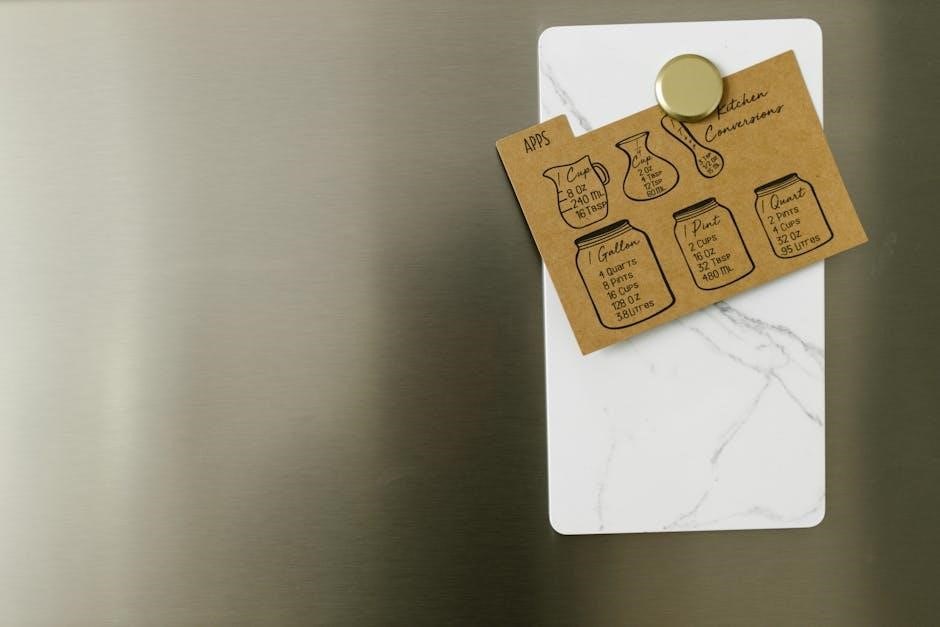
Adequate nutrition, achieved through cooking, significantly impacts morale. Higher morale complements priest healing, creating a synergistic effect for maintaining group well-being and resilience.
Sustained morale is paramount in Cataclysm: Dark Days Ahead, and cooking plays a crucial, yet often underestimated, role. While basic calorie intake prevents starvation, the quality and variety of food directly influence character happiness.
Generic dishes, created through granular cooking, offer calorie gains but typically provide lower morale boosts compared to recognized pre-cataclysm recipes. Prioritizing diverse ingredients and experimenting with combinations can mitigate this, ensuring a happier, more resilient survivor.
A well-fed group is a more effective group, bolstering combat performance and reducing the risk of debilitating panic attacks.
Protocol Twilight dungeons, introduced in Cataclysm Classic, may contain unique flora and fauna. These rare finds could unlock novel ingredients for advanced cooking recipes.
Delving into Elemental Rune Dungeons, specifically those utilizing Protocol Twilight, presents opportunities beyond simple survival. These areas, while dangerous, can harbor previously unknown ingredients crucial for diversifying your post-apocalyptic diet. Expect to encounter mutated plants and creatures offering unique nutritional profiles.
Careful foraging within these dungeons is paramount; identify edible components before consumption, as many will be toxic. Successful expeditions yield ingredients unavailable through standard scavenging, enhancing both calorie intake and morale through novelty. Remember to prioritize safety and preparation before venturing into these challenging locales.

February 7, 2025 PTR notes reveal ongoing development, including Protocol Twilight within Elemental Rune Dungeons. Expect potential changes to cooking mechanics and ingredient availability in future updates.
Cataclysm Classic’s PTR development suggests potential shifts in how cooking functions. The introduction of Protocol Twilight within Elemental Rune Dungeons hints at altered ingredient sourcing and possibly new cooking methods. Players should anticipate adjustments to recipe outcomes, batch cooking efficiencies, and the autolearning system.
Given the ongoing updates, staying informed via PTR notes and community resources like Nornagon’s C:DDA guide is crucial. Expect discrepancies between modded recipes (like those in Innawood) and base game mechanics as development progresses, requiring adaptability.
Essential tools for efficient cooking include reliable water boiling heat sources and appropriate containers. Prioritizing these items on your gear wish list will significantly improve food preparation.
Prioritizing the right tools dramatically enhances cooking efficiency in Cataclysm: Dark Days Ahead. A stable water boiling heat source is paramount, whether a stove, campfire, or even a carefully managed electrical setup. Durable pots and pans are crucial for boiling and combining ingredients effectively.
Knives and cutting boards aid in ingredient preparation, while containers are needed for storing both raw materials and finished dishes. Don’t underestimate the value of a reliable source of fuel for sustained cooking operations, especially during long winters or resource scarcity.

Ingredient quality significantly impacts dish outcomes in Cataclysm: DDA. Superior ingredients yield better morale boosts and reduced negative side effects, enhancing long-term survival.
Ingredient quality directly correlates with the nutritional value and effects of cooked dishes in Cataclysm: DDA. Freshly scavenged meat provides superior sustenance compared to spoiled or rotten alternatives, minimizing the risk of food poisoning and maximizing calorie intake.
Higher quality foraged plants contribute to increased morale and reduced negative mutations. Utilizing pristine ingredients results in dishes with extended shelf lives and enhanced restorative properties, crucial for maintaining optimal health during prolonged survival scenarios. Conversely, poor quality ingredients diminish these benefits.
Sustainable food production is vital for enduring the apocalypse. Prioritize foraging, scavenging, and preserving ingredients to establish a reliable, long-term food supply.
Batch cooking and efficient resource management are key to thriving in Cataclysm: DDA.
Long-term survival hinges on establishing a consistent food source beyond simple scavenging. Cultivating edible plants, if a suitable location is found, offers a renewable resource, though vulnerable to destruction.
Animal husbandry, while complex, provides a reliable protein source. Preserving food through drying, pickling, or smoking is crucial for mitigating spoilage and ensuring reserves during lean times.
Efficiently utilizing every part of an animal or plant minimizes waste and maximizes caloric intake. Mastering these techniques transforms cooking from a necessity into a cornerstone of a thriving post-apocalyptic existence.
Spoiled ingredients can ruin dishes and cause illness. Careful inspection and preservation are vital. Adjust cooking times and methods for optimal results, avoiding wasted resources.
Identifying spoilage is crucial; observe discoloration, unusual smells, or mold growth. Consuming spoiled food leads to negative effects, including nausea, vomiting, and potentially, severe illness. Prioritize ingredient preservation through methods like drying, salting, or refrigeration when possible.
If spoilage is detected, discard the ingredient immediately. While some minor spoilage might be usable in desperate situations, the risk often outweighs the benefit. Always prioritize food safety to maintain character health and morale during long-term survival.
You must be logged in to post a comment.