
 0
0




Leave a Reply
You must be logged in to post a comment.

First aid knowledge is crucial, and PDF tests offer convenient self-assessment. These resources help individuals gauge preparedness for emergencies, reinforcing vital skills and confidence.
First aid test questions are designed to evaluate an individual’s understanding of essential life-saving procedures and emergency response protocols. These assessments typically cover a broad spectrum of scenarios, ranging from basic wound care and CPR to managing severe allergic reactions and responding to environmental emergencies.
The questions can take various formats, including multiple-choice, true/false, and short-answer, often mirroring the content found in accredited first aid training courses. They aim to assess not only knowledge recall but also the ability to apply that knowledge in practical, real-world situations. Successfully answering these questions demonstrates a foundational competency in providing immediate care until professional medical help arrives.
PDF format offers several advantages for first aid test questions. Primarily, PDFs ensure consistent formatting across different devices and operating systems, preventing display issues. They are easily downloadable and printable, allowing for offline access – crucial during remote training or emergency preparedness drills.
Furthermore, PDFs can be securely distributed, protecting the integrity of the assessment. They often support interactive elements like fillable forms and embedded multimedia, enhancing the learning experience. The portability and accessibility of PDFs make them ideal for self-study, group training, and maintaining a readily available resource for emergency review.
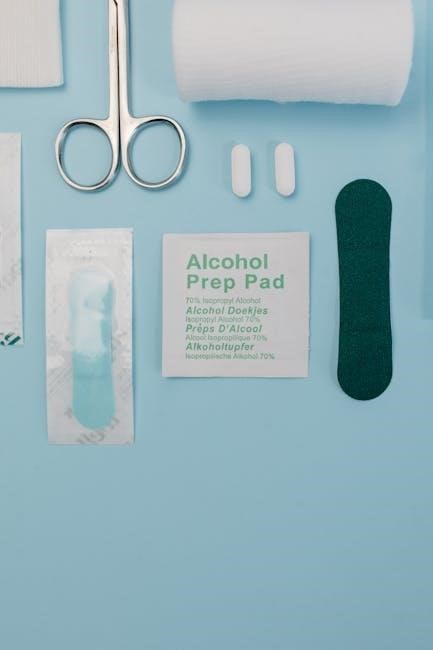
BLS assessments verify competency in life-saving techniques. PDF question sets cover CPR, airway management, and emergency response protocols, ensuring readiness for critical situations.
CPR is a cornerstone of BLS, and testing comprehension is vital. PDF-based CPR questions assess knowledge of compression rates, depth, and ventilation techniques for adults, children, and infants. Scenarios challenge responders to apply learned skills in realistic emergency situations.
Effective CPR questions evaluate understanding of chest recoil, minimizing interruptions, and recognizing when to cease resuscitation efforts. They also cover legal considerations and the importance of early defibrillation. These assessments ensure individuals can confidently and correctly perform CPR, potentially saving lives. Mastery of these skills, verified through PDF tests, is paramount for any first responder.
Adult CPR scenario questions within first aid PDF tests present realistic emergencies demanding quick assessment and action. These questions often describe an unresponsive adult, prompting responders to detail the steps: checking for responsiveness, activating emergency services, and initiating chest compressions.
Assessments evaluate the correct compression rate (100-120 per minute) and depth (at least 2 inches). Questions may also involve scenarios requiring rescue breaths, emphasizing proper technique and airway management. PDF tests gauge the ability to continue CPR until professional help arrives or the individual shows signs of life, reinforcing critical decision-making skills in high-pressure situations.
First aid PDF tests dedicated to child and infant CPR emphasize age-specific techniques. Questions assess understanding of differences in compression depth and rate – shallower for infants, utilizing two fingers or thumbs encircling technique. Scenarios often involve a non-breathing child or infant, requiring responders to demonstrate proper rescue breath delivery and chest compression sequences.
These assessments verify knowledge of addressing airway obstruction, recognizing signs of distress, and activating emergency medical services. PDF questions may also explore scenarios involving foreign body airway obstruction, testing the ability to perform back blows and chest thrusts appropriately. Correct responses demonstrate competency in adapting CPR skills to vulnerable populations.
First aid PDF resources dedicate significant sections to choking emergencies, testing knowledge of both conscious and unconscious victim protocols. Questions assess the ability to differentiate between mild and severe airway obstruction, emphasizing encouragement of continued coughing in mild cases. Scenarios frequently involve recognizing signs of choking – inability to speak, breathe, or cough effectively – and initiating appropriate interventions.
PDF tests evaluate understanding of abdominal thrusts (Heimlich maneuver) for conscious adults and children, and back blows/chest thrusts for infants. They also cover managing an unconscious choking victim, including chest compressions to dislodge the obstruction. Correct answers demonstrate proficiency in swiftly and safely resolving airway blockages.
First aid PDF tests focusing on adult choking commonly present scenarios requiring immediate action. Questions assess the ability to recognize severe airway obstruction – inability to speak, cough, or breathe. A core component tests knowledge of performing abdominal thrusts (Heimlich maneuver), including correct hand placement and thrust direction.
PDF materials evaluate understanding of continuing abdominal thrusts until the object is dislodged or the victim becomes unconscious. Questions also cover modifications for obese or pregnant individuals, utilizing chest thrusts instead. Furthermore, tests assess the transition to CPR if the victim loses consciousness, emphasizing chest compressions to potentially dislodge the obstruction and maintain circulation.
First aid PDF resources dedicated to infant choking emphasize a distinct approach compared to adults. Questions assess recognizing signs like inability to cry, weak cough, or bluish skin color. A key focus is back blows and chest thrusts – alternating five back blows between the shoulder blades followed by five chest thrusts using two fingers.
PDF tests evaluate understanding of proper infant positioning – supporting the head and jaw. Questions also cover the critical difference: avoiding abdominal thrusts on infants. Materials assess knowledge of initiating CPR if the infant becomes unresponsive, stressing gentle compressions. Scenarios often involve assessing the effectiveness of interventions and knowing when to call emergency services.

First aid PDF materials test knowledge of wound assessment, cleaning, and bandaging techniques. They cover identifying wound types and selecting appropriate dressings.
First aid test PDFs frequently assess understanding of various wound types – abrasions, lacerations, punctures, and burns – each demanding specific care. Questions emphasize accurate assessment: size, depth, bleeding control needs, and signs of infection.
Effective first aid relies on correctly identifying the wound mechanism. Is it a simple scrape, a deep cut, or a penetrating injury? PDFs test the ability to differentiate these, prompting learners to consider potential underlying damage.
Crucially, assessment includes checking for foreign objects and evaluating the victim’s overall condition. These PDF resources reinforce the importance of a systematic approach to wound evaluation before initiating treatment.
First aid test PDFs dedicated to abrasions and lacerations commonly present scenarios requiring cleaning, dressing, and monitoring for infection. Questions assess knowledge of appropriate antiseptic solutions and bandage selection for minor scrapes.
Laceration questions often focus on controlling bleeding – direct pressure, elevation, and pressure points. PDF tests may include scenarios evaluating the need for stitches versus self-care, based on wound depth and location.
Understanding tetanus booster requirements is also frequently tested; These resources emphasize recognizing signs of infection (redness, swelling, pus) and when to seek professional medical attention for both abrasion and laceration injuries.
First aid test PDFs covering puncture wounds emphasize the risk of infection due to depth and potential foreign bodies. Questions assess knowledge of proper cleaning techniques – avoiding further tissue damage while removing debris. Tetanus immunization status is a recurring theme in these scenarios.
Burn questions typically categorize burns by degree (first, second, third) and assess appropriate cooling methods (cool water, not ice). PDF tests often present scenarios requiring evaluation of burn size and the need for immediate medical attention.
Recognizing chemical and electrical burn hazards, and the specific first aid protocols for each, are also frequently tested. These resources highlight the importance of removing the source of the burn and protecting the affected area.
First aid test PDFs dedicated to bandaging and dressings focus on selecting appropriate materials for various wound types and locations. Questions frequently assess understanding of sterile technique to prevent infection, emphasizing the importance of clean hands and uncontaminated supplies.
Scenarios often involve choosing between different bandage types – adhesive, elastic, triangular – based on the injury’s characteristics and the need for compression or support. Proper application techniques, avoiding constriction of blood flow, are key assessment points.
PDF resources also test knowledge of dressing changes, recognizing signs of infection, and when to seek professional medical care.
First aid test PDFs heavily emphasize bandage selection based on injury specifics. Questions assess understanding of adhesive bandages for minor cuts, elastic bandages for sprains offering compression, and triangular bandages for slings or securing dressings.
Scenarios often present different wound types – abrasions, lacerations, burns – requiring candidates to justify their bandage choice. Factors like wound size, location, and bleeding severity are critical considerations.
PDF materials test knowledge of hypoallergenic options for sensitive skin and the importance of selecting a bandage size appropriate for complete wound coverage, preventing contamination and promoting healing.
First aid test PDFs frequently assess the correct application of pressure dressings for controlling bleeding. Questions detail layering sterile gauze pads directly on the wound, followed by a firm, elastic bandage wrap.
Candidates must demonstrate understanding of maintaining consistent pressure, avoiding overly tight wrapping that could restrict circulation, and recognizing signs of inadequate bleeding control.
PDF materials often include scenarios requiring prioritization – addressing life-threatening bleeding before other injuries. Proper technique, including securing the dressing and monitoring the casualty, are key evaluation points.
Tests emphasize the importance of continued pressure until professional medical help arrives.

First aid test PDFs evaluate responses to critical incidents. Questions assess knowledge of immediate actions for severe injuries and life-threatening emergencies.
First aid test PDFs dedicated to bleeding control assess a responder’s ability to manage hemorrhage effectively. These questions frequently cover scenarios involving arterial versus venous bleeding, requiring candidates to demonstrate understanding of appropriate pressure application techniques.
Expect questions regarding direct pressure, elevation, and the crucial decision-making process for when a tourniquet becomes necessary. Assessments will probe knowledge of tourniquet application sites, proper tightening procedures, and documentation requirements.
Furthermore, test questions may explore managing embedded objects, wound packing techniques, and recognizing signs of internal bleeding. Proficiency in these areas is vital for stabilizing patients until professional medical help arrives, making these questions a cornerstone of any comprehensive first aid evaluation.
First aid test PDFs heavily emphasize direct pressure as the primary method for controlling external bleeding. Questions assess understanding of applying firm, consistent pressure directly onto the wound using a clean cloth or dressing. Scenarios often involve varying degrees of bleeding severity, requiring candidates to select the appropriate pressure level.

Assessments probe knowledge of maintaining continuous pressure, even when changing dressings, and recognizing when additional measures are needed. Questions may also explore elevating the injured limb alongside direct pressure.
Understanding the importance of avoiding removal of embedded objects and applying pressure around them is crucial, and frequently tested. Mastery of these techniques, as reflected in first aid assessments, is fundamental for effective pre-hospital care.
First aid test PDFs dedicate significant sections to tourniquet application, reflecting its life-saving potential in severe limb hemorrhage. Questions frequently assess the criteria for tourniquet use – uncontrolled, life-threatening bleeding unresponsive to direct pressure. Scenarios test the correct placement: high and tight, above the wound, on bare skin.
Assessments probe understanding of tourniquet types, proper tightening techniques, and crucial documentation requirements – time of application is paramount. Questions also explore recognizing complications like nerve damage or tissue ischemia.
First aid knowledge emphasizes tourniquets as a last resort, and PDF tests reinforce this. Candidates must demonstrate understanding of when not to use a tourniquet and the importance of prompt medical attention post-application.
First aid test questions and answers PDFs heavily feature shock, a critical and potentially fatal condition. Assessments focus on recognizing various types of shock – hypovolemic, cardiogenic, anaphylactic – and their distinct causes. Scenarios challenge candidates to identify early signs: rapid pulse, shallow breathing, pale skin, altered mental status.
Questions probe initial management steps: ensuring airway, breathing, and circulation (ABC’s), controlling any bleeding, and keeping the patient warm. First aid PDFs emphasize the importance of positioning the patient correctly – typically with legs elevated.
Tests also assess understanding of avoiding further aggravation and the urgent need for professional medical intervention.
First aid test questions and answers PDFs consistently emphasize prompt shock recognition. Assessments detail observing for rapid, weak pulse, indicating the heart’s struggle to circulate blood. Shallow, rapid breathing is another key sign, as the body attempts to compensate for oxygen deficiency.
Pale, cool, and clammy skin signifies reduced blood flow to extremities. Altered mental status – confusion, anxiety, or decreased responsiveness – is a critical indicator. First aid PDFs highlight that these signs may develop subtly, requiring vigilant observation.
Questions often present scenarios requiring differentiation between shock and other conditions.
First aid test questions and answers PDFs prioritize immediate actions for shock management. Typically, these involve calling for emergency medical services – a step consistently emphasized in assessments. Maintaining an open airway and monitoring breathing are crucial initial steps, often presented in scenario-based questions.
Controlling any visible bleeding is paramount, utilizing direct pressure techniques. Keeping the individual warm and lying flat, with legs elevated (unless contraindicated), helps improve circulation. First aid PDFs stress avoiding giving the person anything to eat or drink.
Tests frequently assess the correct sequence of these interventions.
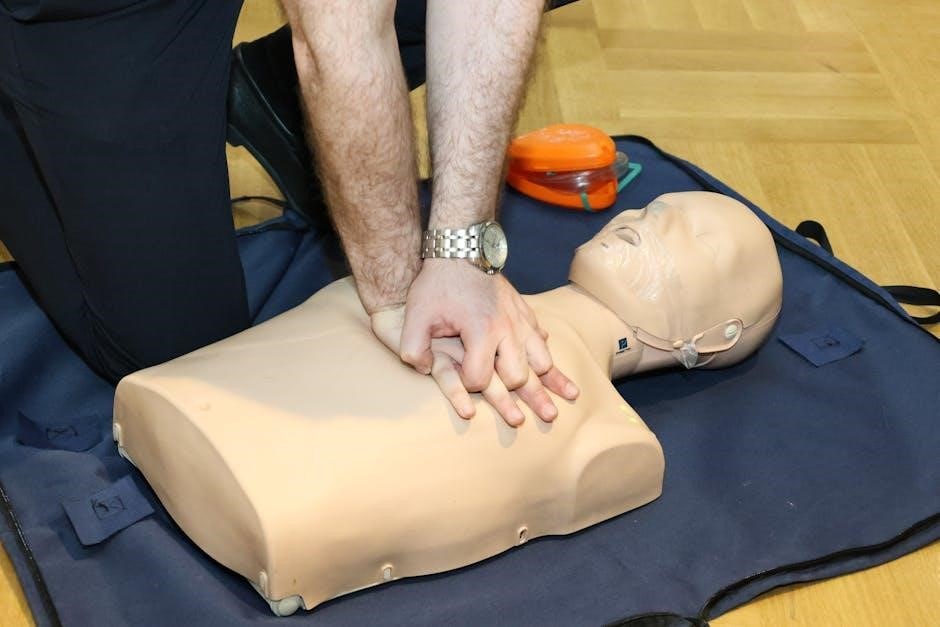
First aid test questions and answers PDFs commonly cover heart attack, stroke, and allergic reactions, testing recognition of symptoms and appropriate initial responses.
First aid test questions and answers PDFs dedicated to cardiovascular emergencies frequently assess understanding of heart attack and stroke indicators. Questions often probe the ability to differentiate between chest pain types, recognizing radiating discomfort, and identifying associated symptoms like nausea or shortness of breath.
Stroke-related questions emphasize the FAST assessment – Face drooping, Arm weakness, Speech difficulty, and Time to call emergency services. Scenarios might present patients exhibiting these signs, requiring test-takers to prioritize rapid response and accurate symptom identification.

PDFs also test knowledge of post-emergency care, like maintaining an open airway and monitoring vital signs while awaiting professional medical assistance. Understanding these critical elements is paramount.
First aid test questions and answers PDFs focusing on heart attacks commonly assess the ability to identify classic symptoms. These include chest pain – often described as pressure, squeezing, or fullness – that may radiate to the arm, jaw, neck, or back. Questions frequently explore atypical presentations, particularly in women, who may experience shortness of breath, nausea, or fatigue.
PDFs present scenarios requiring differentiation between angina and a myocardial infarction. Test-takers must demonstrate understanding of symptom duration and response to rest or nitroglycerin.
Accurate symptom recognition is vital for prompt action, and these PDFs reinforce that knowledge through practical, scenario-based questions.
First aid test questions and answers PDFs heavily emphasize the FAST acronym for stroke identification. Face – ask the person to smile; does one side droop? Arms – can they raise both arms equally? Speech – is their speech slurred or strange? Time – if you observe any of these signs, call emergency services immediately.
These PDFs often include scenarios requiring application of the FAST assessment. Questions test understanding of why rapid recognition is critical, as “time is brain” during a stroke.
PDFs also assess knowledge of other stroke symptoms, like sudden severe headache or vision changes, reinforcing comprehensive stroke awareness.

First aid test questions and answers PDFs dedicate significant sections to allergic reactions, ranging from mild symptoms to life-threatening anaphylaxis. Questions assess the ability to differentiate between a typical allergic response and anaphylactic shock, emphasizing the urgency of the latter.
These resources frequently present scenarios involving common allergens – food, insect stings, medications – testing appropriate first aid responses. Understanding symptom progression is key, as assessed through multiple-choice and scenario-based questions.
PDFs also focus on recognizing signs like difficulty breathing, swelling, and hives, crucial for prompt intervention.
First aid test questions and answers PDFs heavily emphasize anaphylaxis management, a critical life-saving skill. Questions assess knowledge of immediate actions: administering epinephrine via an EpiPen, calling emergency services, and positioning the patient correctly – typically lying flat with legs elevated.
Scenario-based questions challenge test-takers to prioritize actions in a rapidly evolving situation, evaluating their ability to remain calm and focused. PDFs often include questions about post-EpiPen administration care, such as monitoring vital signs and preparing for potential further reactions.
Understanding the importance of timely intervention is consistently tested.
First aid test questions and answers PDFs dedicate significant sections to EpiPen administration, reflecting its life-saving importance during anaphylaxis. Questions thoroughly assess understanding of proper technique: removing the safety cap, positioning the device, and delivering the injection into the outer thigh.
PDFs frequently include image-based questions, requiring test-takers to identify correct injection sites and device handling. Scenarios test knowledge of dosage for different weight categories and the necessity of seeking immediate medical attention after administration.
Correctly identifying when and how to use an EpiPen is a core competency evaluated;
First aid test PDFs emphasize Good Samaritan Laws, consent protocols, and patient confidentiality. Understanding these legal boundaries is vital for responsible care.
Good Samaritan Laws are crucial legal protections for individuals providing emergency assistance. These laws generally shield first responders from liability if they act in good faith, without gross negligence, and within the scope of their training. First aid test questions often assess understanding of these protections, emphasizing that the intent is to encourage help, not discourage it through fear of lawsuits.
However, it’s vital to remember these laws aren’t absolute. They typically don’t protect against reckless or intentionally harmful actions. PDF study materials highlight the importance of staying within one’s skill level and seeking professional medical help as quickly as possible. Knowing your limitations and acting responsibly are key components of ethical and legal first aid practice.
Consent is paramount in first aid. Before providing assistance, obtain explicit consent from the conscious victim, explaining the nature of care. If unconscious, implied consent applies, assuming they would want help. First aid test questions frequently address scenarios requiring consent, emphasizing its legal and ethical importance.
Confidentiality is equally vital. Respect the victim’s privacy; only share information with necessary medical personnel. PDF resources dedicated to first aid training underscore the need to protect sensitive health details. Maintaining trust is crucial, and breaching confidentiality can have legal ramifications. Understanding these principles demonstrates responsible and ethical first aid practice, often tested in certification exams.

Reliable first aid PDFs and certification courses are readily available online and through organizations like the Red Cross, enhancing your skills.
Locating trustworthy first aid PDFs requires careful consideration. Official sources, such as the American Red Cross (https://www.redcross.org/) and the American Heart Association (https://www.heart.org/), provide comprehensive and regularly updated materials. Government websites, like those of public health departments, also offer valuable resources.
Be cautious of PDFs from unknown or unofficial sources, as their content may be outdated or inaccurate. Look for PDFs that clearly state their source and revision date. Many organizations offer free downloadable guides and practice quizzes, while others may require a small fee for more detailed materials. Prioritize PDFs aligned with current first aid guidelines and protocols to ensure you’re learning the most effective techniques.
While PDFs are useful for practice, formal certification provides in-depth training. The American Red Cross and American Heart Association offer widely recognized courses, covering BLS, CPR, AED use, and first aid skills. These courses blend theoretical knowledge with hands-on practice, crucial for building confidence and competence.
Consider courses tailored to your specific needs – childcare providers may benefit from pediatric first aid, while workplace safety requires specific certifications. Online options are available, but prioritize courses with a practical component. Certification typically lasts for two years, requiring renewal to stay current with evolving guidelines. Investing in a certified course significantly enhances your ability to respond effectively in emergencies.
You must be logged in to post a comment.