
 0
0




Leave a Reply
You must be logged in to post a comment.

Welcome to the 2016 Ford F-150 Owner’s Manual․ This guide offers essential operating instructions, safety warnings, maintenance schedules, and technical specs for the 2016 F-150․ Follow its recommendations to keep your truck reliable and compliant with warranty terms․ Use this manual for safety․?!

The 2016 Ford F‑150 is a full‑size pickup that balances work capability with comfort and technology․ Standard powertrains include a 3․5‑liter EcoBoost V6 (365 hp, 400 lb‑ft of torque) and a 5;0‑liter V8 (395 hp, 400 lb‑ft of torque)․ Optional 3․5‑liter V6 and 5․0‑V8 engines appear in higher trims․ The truck is available in 2WD or 4WD; 4WD models have a 10‑speed automatic with a 10‑speed manual, while 2WD models use a 10‑speed automatic with a 10‑speed manual․ The suspension includes a MacPherson strut front and a multi‑link rear․ Curb weight ranges from 4,200 lb (XL) to 4,800 lb (XLT), and payload capacity peaks at 1,650 lb (XL) to 1,800 lb (XLT) and up to 2,000 lb (Lariat)․ Towing capacity can exceed 12,000 lb with the 5․0‑V8 and a proper hitch package, and up to 14,000 lb with a 5․0‑V8 and a 4WD configuration․ A 24‑gal fuel tank yields an EPA‑rated range of 20–25 mpg combined, depending on configuration․ Wheelbase options span 112 in (XL) to 132 in (Lariat), and wheel sizes range from 17‑in to 20‑in․ Advanced safety features include adaptive cruise control, blind‑spot monitoring, and a 360‑degree camera system․ Interior amenities such as a 12‑inch touchscreen, Apple CarPlay, Android Auto, and a premium audio system enhance driver comfort․ Exterior styling features a chrome‑trimmed grille, LED daytime running lights, and a reinforced body‑on‑frame construction for durability․ Dimensions: overall length 225 in (XL) to 242 in (Lariat), width 79 in, height 73 in, ground clearance 8․5 in․ The F‑150’s 3․5‑EcoBoost V6 delivers 365 hp; the 5․0‑V8 delivers 395 hp․ The 2016 F‑150 also offers technology packages, including SYNC 3 and Pro Power On‑Demand, ensuring drivers stay connected and safe on every journey․ All specifications vary with trim level and optional packages․ Now․

Before operating the 2016 Ford F‑150, read all safety instructions․ Seat belts are mandatory; never ride with a child in the rear seats without a proper child restraint․ The truck has dual‑stage airbags, side curtain airbags, and a driver‑side knee airbag․ Do not place objects on the steering wheel or in the driver’s seat that could interfere with airbag deployment․ When towing, ensure the hitch is properly installed, the load is evenly distributed, and the trailer’s tongue weight does not exceed 20% of the gross trailer weight․ Use the trailer brake controller and verify brake lights are functioning․ ESC and TRAC systems improve handling; do not disable them․ The Intelligent Oil‑Life Monitor indicates when to change oil; ignoring warnings can lead to engine damage․ The F‑150’s towing capacity is limited by engine, transmission, and axle specs; exceeding limits can cause damage․ Follow the manufacturer’s recommended maintenance schedule; failure to do so may void the warranty and compromise safety․ If you experience a malfunction, stop the vehicle and seek professional assistance․ For emergency assistance, call 911․ This information is critical for safe operation and compliance with safety standards․ Always wear a seat belt, secure cargo, and observe all traffic laws․ Stay safe, drive on all․
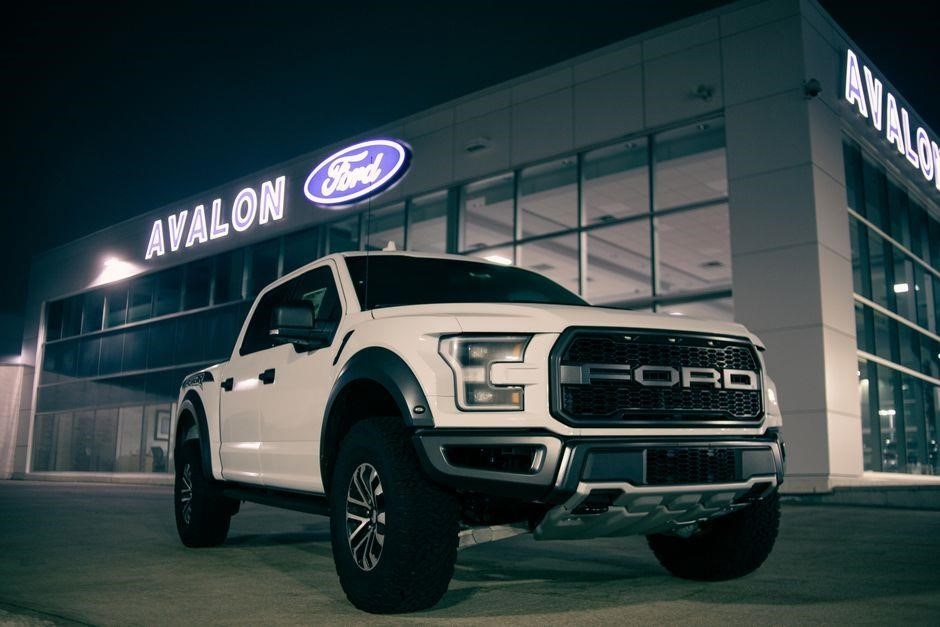
Before you start the 2016 Ford F‑150, ensure the key is in the ignition and the vehicle is in Park (P) or Neutral (N)․ Turn the ignition to the ON position to power up the instrument panel․ The dashboard displays battery voltage, engine temperature, and oil pressure․ If any warning lights illuminate, consult the troubleshooting guide before proceeding․
Accelerate by pressing the accelerator pedal with the right foot while keeping the left foot on the brake․ Avoid sudden acceleration to maintain stability․ For manual, shift from Park to Drive (D) or Reverse (R) using the gear selector; for automatic, use the selector to choose the desired mode․ The F‑150’s electronic throttle controls ensure smooth power delivery․
When stopping, depress the brake pedal gradually․ The ABS system provides maximum braking force while maintaining steering control․ If the ABS warning light remains on, contact a dealer for inspection․ For emergency braking, apply the brakes firmly; the vehicle will decelerate rapidly․
When parking, engage the parking brake and turn the steering wheel to the left or right to prevent the vehicle from rolling․ Lock the doors and close all windows before leaving the vehicle unattended․ The F‑150’s keyless entry system allows you to lock and unlock doors with the remote or the key fob․ For security, use the “Secure” mode to enable additional safety features․
Remember to consult the owner’s manual for operating instructions, safety warnings, and schedules․ The F‑150’s features ensure safe performance and extend the life of your vehicle safely․!!!
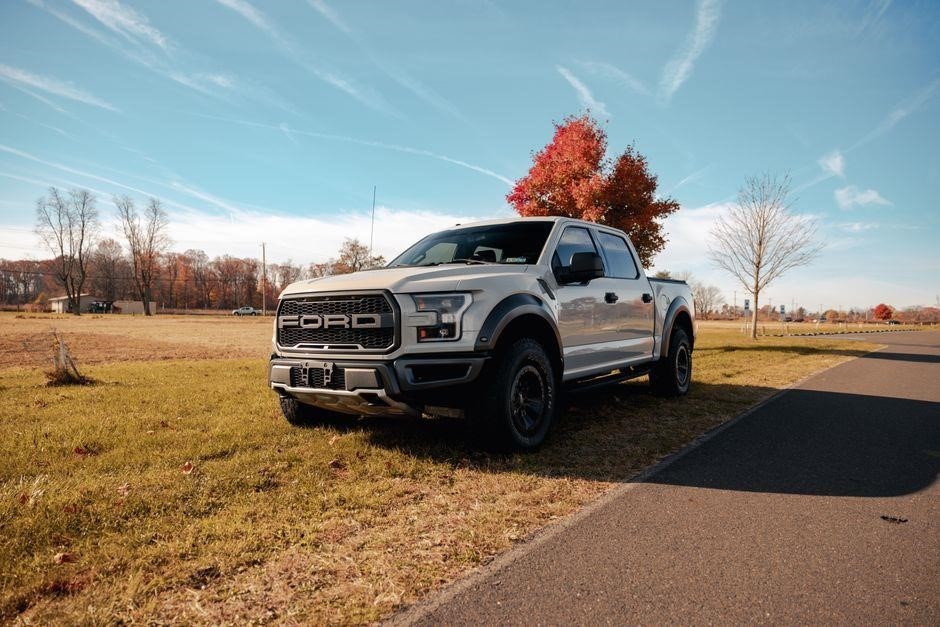
The 2016 Ford F‑150 uses a 6‑speed automatic transmission paired with a Powertrain Control Module (PCM) that manages gear selection, shift timing, and fuel efficiency․ The shift lever in the center console offers Park (P), Reverse (R), Neutral (N), Drive (D), and manual (M) modes․ In Drive, the PCM automatically chooses the best gear based on speed, load, and throttle input․
For towing, set the lever to Tow/Haul mode; the transmission locks into lower gears, boosting torque and reducing RPM․ Off‑road driving uses Low (L) gear for better traction․ Torque‑converter lock‑up improves economy at higher speeds․
The PCM also monitors shift quality and provides codes for transmission irregularities, ensuring timely maintenance! The PCM uses adaptive shift logic that learns driver habits to adjust gear ratios for efficiency and performance, reducing wear and improving fuel economy by up to 5% while coordinating with traction control for better handling in conditions․
The F‑150’s 4WD system lets the driver choose 2WD or 4WD․ When 4WD is engaged, the transfer case locks front and rear axles, and the PCM adjusts shift points for the added load․ for optimal traction and handling
The PCM uses adaptive shift logic that learns driver habits to adjust gear ratios for efficiency and performance, reducing wear and improving fuel economy by up to 5% while coordinating with traction control for better handling in conditions․ The PCM also monitors shift and provides codes for transmission irregularities, ensuring timely maintenance!?
For detailed guidance, always refer to the official 2016 Ford F‑150 Owner’s Manual․ This summary provides an overview only

The 2016 Ford F‑150 is equipped with a high‑pressure fuel injection system that delivers precise fuel delivery for optimal combustion․ The fuel tank holds 23․5 gallons (85 liters) and is located beneath the rear cargo area․ The fuel pump is driven by the engine’s accessory belt and is rated for 100,000 miles․ The system includes a fuel filter that should be replaced every 30,000 miles or 36 months, whichever comes first․
Fuel economy varies with engine choice, drivetrain, and driving habits․ The 3․5L EcoBoost V6 averages 20 mpg city/26 mpg highway, while the 5․0L V8 averages 16 mpg city/22 mpg highway․ The 3․0L Power Stroke diesel achieves 20 mpg city/26 mpg highway․ Use the Intelligent Oil‑Life Monitor to determine when to change oil, which can affect fuel efficiency․
To maximize fuel economy, keep tires inflated to the manufacturer’s recommended pressure, avoid excessive idling, and use the Eco mode when available․ The F‑150’s Powertrain Control Module (PCM) adjusts throttle response and shift points to reduce fuel consumption․ When towing, the PCM locks into low gear to maintain engine RPM and improve fuel efficiency during heavy loads․
Regular maintenance of the fuel system—including cleaning the throttle body, inspecting fuel lines, and replacing the fuel filter—helps maintain optimal fuel economy and prevents engine performance issues․ Follow the maintenance schedule in the Owner’s Manual for detailed intervals․
Follow manual intervals․!!

The 2016 Ford F‑150 offers two gasoline engines—a 3․5L EcoBoost V6 and a 5․0L V8—and a 3․0L Power Stroke diesel․ Each engine is paired with a 6‑speed automatic transmission (or 6‑speed manual for the V8)․ The EcoBoost uses direct injection and variable valve timing for power and efficiency, while the V8 delivers 360 hp and 250 hp and 500 lb‑ft torque․
Cooling is managed by a front‑mounted radiator, a water pump driven by the accessory belt, and a thermostat that opens at 195°F (90°C)․ The radiator is a 1․5‑liter capacity unit with a 3‑way valve that directs coolant to the heater core when needed; An electric coolant pump is available on the diesel model to improve flow during heavy loads․
The engine oil is 5W‑30 synthetic for the EcoBoost and V8, and 5W‑40 for the diesel․ Oil changes are recommended at 7,500 miles or 12 months, whichever comes first, but the Intelligent Oil‑Life Monitor will advise a change based on actual usage․ The coolant is a 50/50 mix of distilled water and antifreeze, replaced every 120,000 miles or 10 years․
The cooling system also includes a dual‑stage radiator fan that engages during very heavy loads․
Check the coolant level in the reservoir regularly; low coolant can cause overheating and engine damage․ The engine temperature gauge will warn if the system is overheating․ If the gauge reads red, pull over, shut off the engine, and allow it to cool before inspecting for leaks․
Follow the maintenance schedule in the Owner’s Manual for detailed intervals․!!
It supports efficient cooling now․
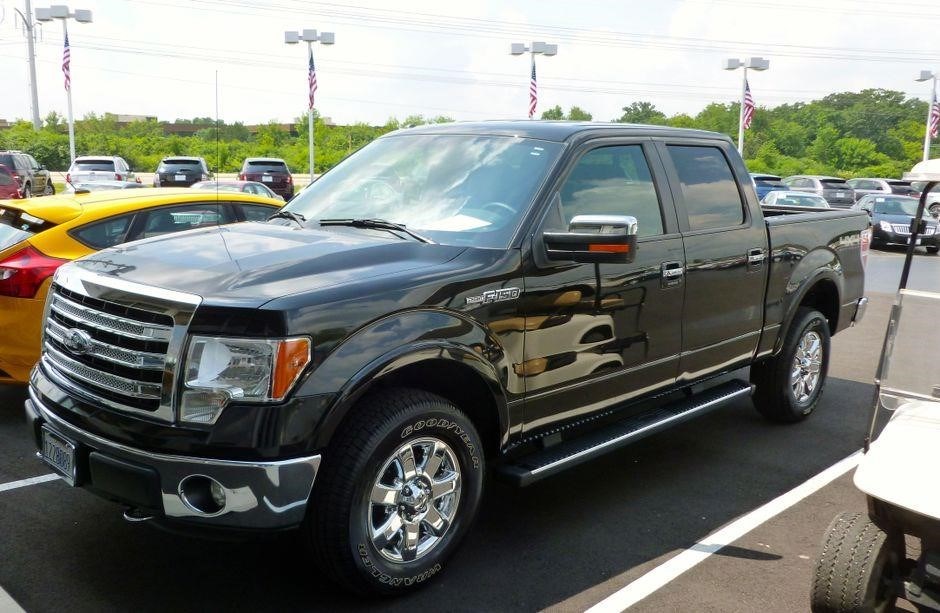
The 2016 Ford F‑150 delivers robust performance with its EcoBoost V6 and V8 engines, offering a blend of power and efficiency for diverse driving needs․ Its 12‑volt electrical system powers the engine control module, body control module, infotainment, and safety features, ensuring seamless integration across all vehicle functions daily operations․ The SYNC 3 infotainment platform supports Bluetooth, hands‑free calling, SiriusXM, and Apple CarPlay, providing drivers with connectivity and entertainment while on the road everywhere daily journey․ LED daytime running lights and optional HID headlamps enhance visibility, while adaptive front‑lighting adjusts automatically to improve night‑time driving safety for all conditions through the․ The 360° camera, blind‑spot monitoring, and rear‑cross‑traffic alert provide comprehensive situational awareness, reducing collision risks during lane changes and parking maneuvers for all drivers everywhere․ An Intelligent Oil‑Life Monitor calculates oil change intervals based on real‑world usage, ensuring engine longevity and preventing costly maintenance surprises for every driver today and․ The 12‑volt fuse box, located in the engine compartment, protects all electrical circuits, while the alternator delivers 120 A to charge the battery and power accessories․ Regular checks of the charging system, fuses, and battery health are recommended to prevent electrical failures and maintain optimal vehicle performance for every trip and․ The cooling system, featuring a front‑mounted radiator, water pump, thermostat, and electric coolant pump on the diesel model, keeps the engine within safe temperature limits․ By adhering to the maintenance schedule, using the recommended oil and coolant, and following the manufacturer’s guidelines, owners can extend the lifespan of F‑150’s electronics․XXXXXXXXXXXXXXXXXXXXXXXXXXXXXXXXXXXXX

The 2016 Ford F‑150 interior blends comfort with practicality, offering premium cloth or leather upholstery, heated seats, and a 7‑inch touchscreen that integrates the SYNC 3 system․ The driver’s seat provides power adjustments, lumbar support, and a memory function for a personalized fit․ Dual‑zone climate control delivers precise temperature settings for front and rear occupants, while the rear‑seat entertainment system includes a DVD player and USB port for media playback․ Steering‑wheel audio controls, a voice‑activated assistant, and a Bluetooth hands‑free button keep drivers connected without taking hands off the wheel․ A 12‑inch digital instrument cluster displays speed, RPM, fuel economy, and diagnostic alerts, and the integrated navigation system offers turn‑by‑turn directions, traffic updates, and points of interest․ Keyless entry uses a proximity sensor to unlock doors automatically when the key fob is nearby, and the push‑button start feature eliminates the need for a traditional ignition key․ A rear‑view camera, available on higher trims, projects a live feed onto the screen, enhancing parking safety․ The interior also includes a power‑folding third‑row seat for cargo flexibility, a built‑in Bluetooth hands‑free kit, and a 12‑V accessory outlet for charging devices․ All controls are positioned for easy reach, and the cabin’s acoustic insulation reduces road noise, creating a quiet environment for long drives․ Proper use of these features enhances driving comfort and safety, ensuring that the 2016 F‑150 meets the demands of both work and leisure activities․ The center console houses a multi‑function armrest, a cup holder, and a storage compartment for small items․ The infotainment system supports a USB port, an auxiliary input, and an SD card slot for music playback․ Rear seats feature a built‑in USB port and a 12‑V outlet, allowing passengers to charge devices․ Cabin lighting is adjustable, with ambient options that can be customized via the touchscreen․ Power‑adjustable side mirrors feature auto‑dimming to reduce glare, and the rear‑view mirror includes a built‑in LED turn‑signal indicator․ The F‑150’s interior is designed to accommodate both drivers and passengers, with ample headroom and legroom in all seating positions․ Interior materials are durable and easy to clean, ensuring a long‑lasting appearance even after frequent use․ Proper maintenance of the interior surfaces, such as regular vacuuming and using appropriate cleaning products, helps preserve the cabin’s aesthetic quality and resale value․ Enjoy the ride․ and stay safe․ Drive!!Ok

The 2016 Ford F‑150 features a sturdy frame, chrome trim, LED headlights, fog lights, and a rear spoiler․ Optional roof rack, tow hooks, and 20‑inch wheels enhance utility․ The body’s design balancesdurabilitywithmodern aesthetic․ The truck’s durable build suppheav․
Follow the 2016 Ford F‑150 maintenance schedule to keep your truck running smoothly․ The schedule is divided into mileage and time intervals․ For example, oil and filter replacement is recommended every 5,000 miles or 6 months, whichever comes first․ Air filter changes should occur every 15,000 miles․ Cabin filter replacement is advised every 20,000 miles or 12 months․ Transmission fluid is checked at 30,000 miles, and replaced at 60,000 miles․ Coolant is inspected at 15,000 miles and replaced at 60,000 miles․ Brake fluid is refreshed every 24 months․ Tire rotation is performed every 7,500 miles, and tire pressure is checked monthly․ Timing belt service is required at 100,000 miles․ Spark plugs are replaced at 100,000 miles; The owner’s manual also lists optional services such as brake pad replacement, suspension inspection, and differential fluid changes․ All maintenance should be performed by a qualified Ford dealer or a certified technician․ Keep a record of each service in the logbook․ Adhering to this schedule extends the life of the vehicle and maintains warranty coverage․ Failure to follow the recommended intervals may void certain warranty provisions and could lead to increased repair costs․ Always consult the manual for specific part numbers and torque specifications․ Proper maintenance ensures safety, reliability, and optimal performance of your 2016 Ford F‑150․ Maintain a detailed service log and keep receipts for all maintenance tasks․ This helps keep warranty intact and future resale value!!․
The 2016 Ford F‑150 is equipped with an Intelligent Oil‑Life Monitor that calculates the remaining life of engine oil based on driving conditions, engine temperature, and mileage․ The system displays the oil life percentage on the instrument cluster and alerts the driver when the oil should be changed․ Ford recommends changing the oil and filter at 5,000 miles or 6 months, whichever comes first, but the monitor may advise an earlier change if heavy towing or stop‑and‑go traffic has accelerated oil degradation․ When the oil life indicator reaches 0 % the system will illuminate the “Oil Change” message on the dash․ At that point, perform a full oil change using the manufacturer‑specified oil grade and filter․ The monitor resets automatically after the change․ If the vehicle is driven in extreme conditions, such as high‑altitude or severe heat, the oil life may be reduced; in such cases, follow the 5,000‑mile schedule regardless of the monitor reading․ The system also logs oil change history; this data can be accessed via the SYNC interface or the owner’s manual․ Maintaining the oil life schedule ensures optimal engine performance, reduces wear, and preserves the vehicle’s warranty․ Always keep the oil change receipts in the service log as proof of compliance with Ford’s maintenance guidelines․ The Intelligent Oil‑Life Monitor is a key feature that helps owners keep their F‑150 running reliably for many miles․ Use life indicator to schedule changes keep truck running today!s․
Ford’s New Vehicle Limited Warranty for the 2016 F‑150 covers the powertrain, drivetrain, and body for 3 years or 36,000 miles, whichever comes first․ The powertrain warranty extends to 5 years or 60,000 miles․ Body and frame are covered for 5 years or 60,000 miles․ The warranty includes a 3‑year/36,000‑mile powertrain coverage, a 5‑year/60,000‑mile body and frame coverage, and a 5‑year/60,000‑mile powertrain coverage for the engine and transmission․ The warranty also covers the vehicle’s electrical and electronic systems, including the SYNC infotainment system, for 3 years or 36,000 miles․ If the vehicle is sold, the warranty remains in effect for the new owner as long as the vehicle is registered in the new owner’s name․ The warranty also includes a roadside assistance program for 3 years or 36,000 miles, which covers towing, battery jump‑start, and lock‑out services․ For a full list of covered items, refer to the warranty guide in the owner’s manual or contact Ford customer service at 1‑800‑727‑7000․ All warranty claims must be submitted within the coverage period, and the vehicle must be in good operating condition at the time of the claim․ Proper maintenance, including oil changes and fluid checks, is essential to keep the warranty valid․ Ford’s warranty terms are subject to change, so check the latest information each year․ The warranty is a key benefit of owning a 2016 F‑150, ensuring peace of mind for the first few years of ownership․ Follow Ford’s maintenance schedule!
Common 2016 F‑150 problems include engine misfire, transmission slippage, and electrical glitches․ If the engine misfires, check spark plugs, ignition coils, and fuel injectors․ Replace any worn components and clear error codes via OBD‑II․ Transmission slippage often results from low fluid or worn clutch packs; inspect fluid level, replace fluid, and service the transmission․ Electrical glitches such as intermittent power loss or dashboard warning lights may stem from a weak battery, corroded terminals, or a failing alternator․ Test the battery voltage, clean terminals, and replace the alternator if necessary․ For coolant temperature warnings, inspect the coolant level, radiator cap, and thermostat; flush the cooling system if the thermostat is stuck․ If the vehicle stalls or hesitates during acceleration, examine the throttle body, idle air control valve, and mass airflow sensor; clean or replace as needed․ Persistent check engine lights should be read with a diagnostic scanner to identify specific fault codes․ Follow the owner’s manual for recommended service intervals and use genuine Ford parts to maintain warranty coverage․
Additional troubleshooting steps include checking the vehicle’s control modules for stored fault codes, inspecting the transmission fluid for correct level and color, verifying the battery’s state of charge with a voltmeter, and ensuring all fuses and relays are intact․ If the check engine light remains illuminated after clearing codes, a scan fast is to pinpoint the underlying issue ․
In the event of a vehicle accident or sudden medical emergency while operating the 2016 Ford F‑150, follow these steps to ensure safety and provide immediate care․ First, activate the hazard lights and, if possible, move the vehicle to a safe location off the roadway․ If the driver or passengers are injured, assess consciousness, breathing, and circulation․ Call emergency services at 911 and provide the exact location, vehicle details, and nature of injuries․ While waiting, apply a pressure bandage to any bleeding wounds, elevate limbs if there is no spinal injury, and monitor vital signs․ Use the built‑in first‑aid kit located in the rear cargo area; it contains gauze, adhesive tape, antiseptic wipes, and a CPR mask․ For burns, cool the affected area with running water for at least 10 minutes and cover with a sterile dressing․ If a passenger experiences chest pain, administer an AED if available and follow the device prompts․ For suspected spinal injuries, avoid moving the victim unless absolutely necessary; use a cervical collar if available․ Keep the vehicle’s emergency kit and owner’s manual accessible for reference․ After the emergency, document the incident details, notify the insurance provider, and schedule a vehicle inspection to check for hidden damage․ Regularly review the first‑aid instructions and keep the kit stocked with fresh supplies․ This proactive approach helps protect all occupants and ensures compliance with safety regulations․ Keep the emergency kit ready and revisit first‑aid steps before driving now!
You must be logged in to post a comment.